Essential DIY Tips for Garage Door Maintenance


Inspect and Tighten Hardware
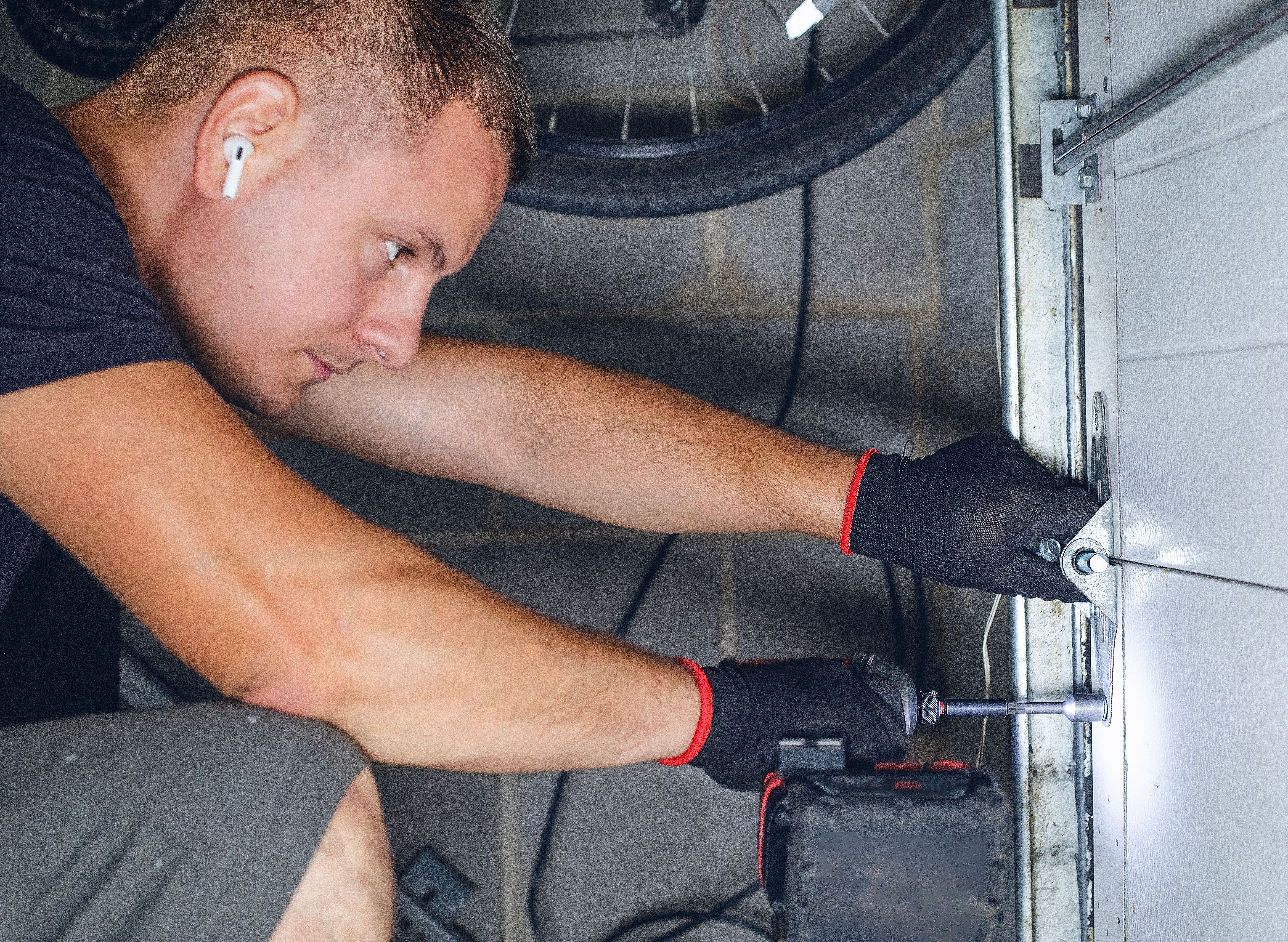
One of the simplest yet most effective maintenance tasks for your garage door is to inspect and tighten the hardware. Over time, the constant movement and vibration can cause the nuts and bolts to loosen. Regularly check the brackets, rollers, and bolts and tighten them as necessary to ensure a smooth operation.
Use a socket wrench to secure any loose bolts on the brackets and pay special attention to the hinges, as they play a crucial role in the door's movement. This simple step can prevent more significant issues from developing.
Lubricate Moving Parts
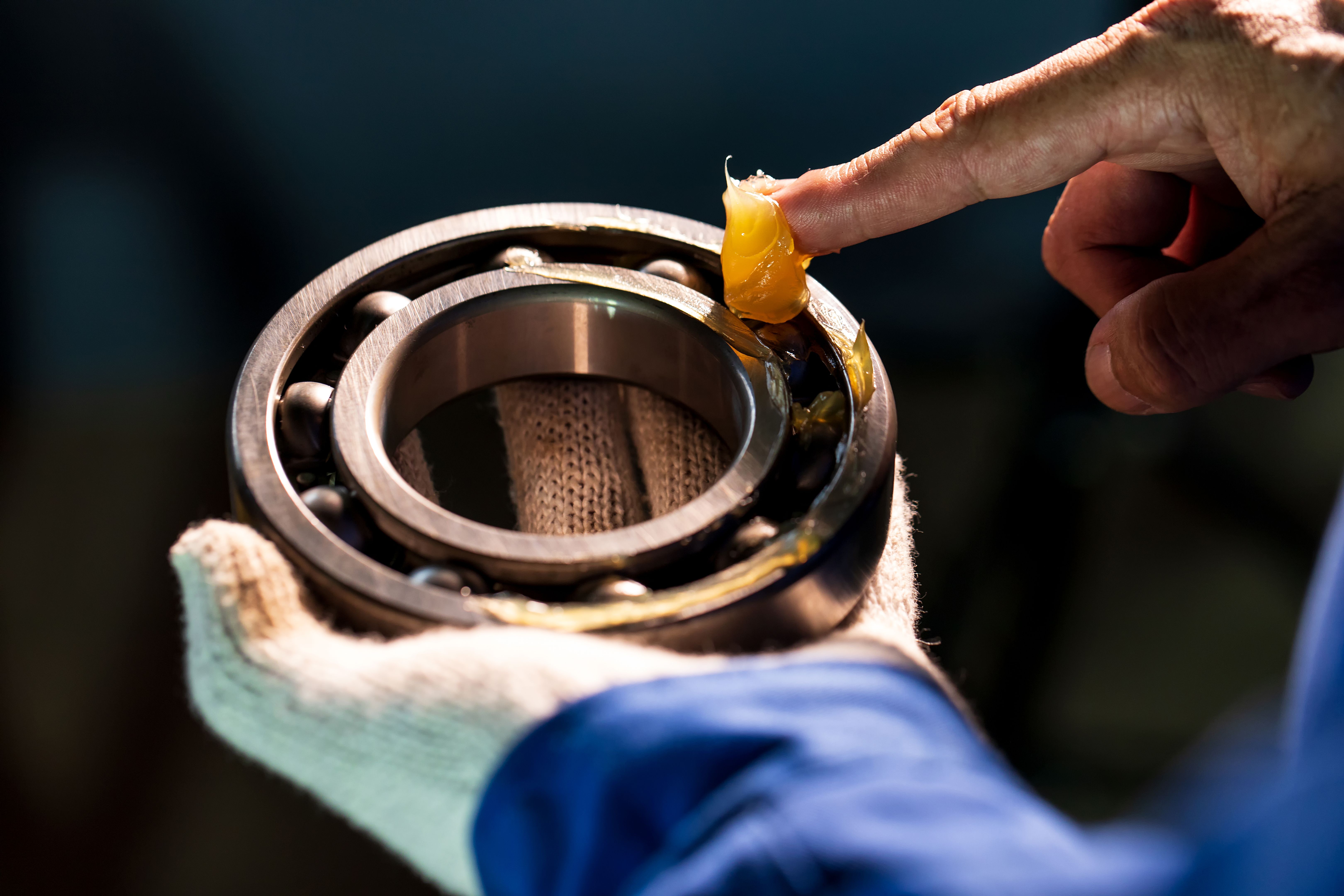
Proper lubrication is key to reducing friction and ensuring the longevity of your garage door components. Apply a high-quality lubricant to the rollers, tracks, and springs at least twice a year. This will not only improve the door's performance but also reduce noise.
Be sure to use a lubricant specifically designed for garage doors, as other products can attract dirt and debris, causing more harm than good. Keeping these parts well-lubricated will help them move smoothly and efficiently.
Types of Lubricants
There are several types of lubricants available, such as silicone spray and white lithium grease. Silicone spray is ideal for plastic parts, while lithium grease works well on metal components. Choose the one that best suits your garage door's needs.
Test the Balance
A properly balanced garage door is essential for the door opener's efficiency and the safety of those using it. To test the balance, disconnect the opener by pulling the release handle and manually lift the door halfway up. If it stays in place, the balance is correct. If it falls, the springs may need adjustment.
It's important to note that adjusting the springs can be dangerous and is best left to professionals. If your door is unbalanced, consider calling a technician to ensure proper handling and safety.
Check the Weatherstripping
The weatherstripping along the bottom of your garage door helps keep out dirt, debris, and weather elements. Over time, it can become cracked or damaged, leading to inefficiencies and higher energy bills. Inspect the weatherstripping regularly and replace it if necessary.
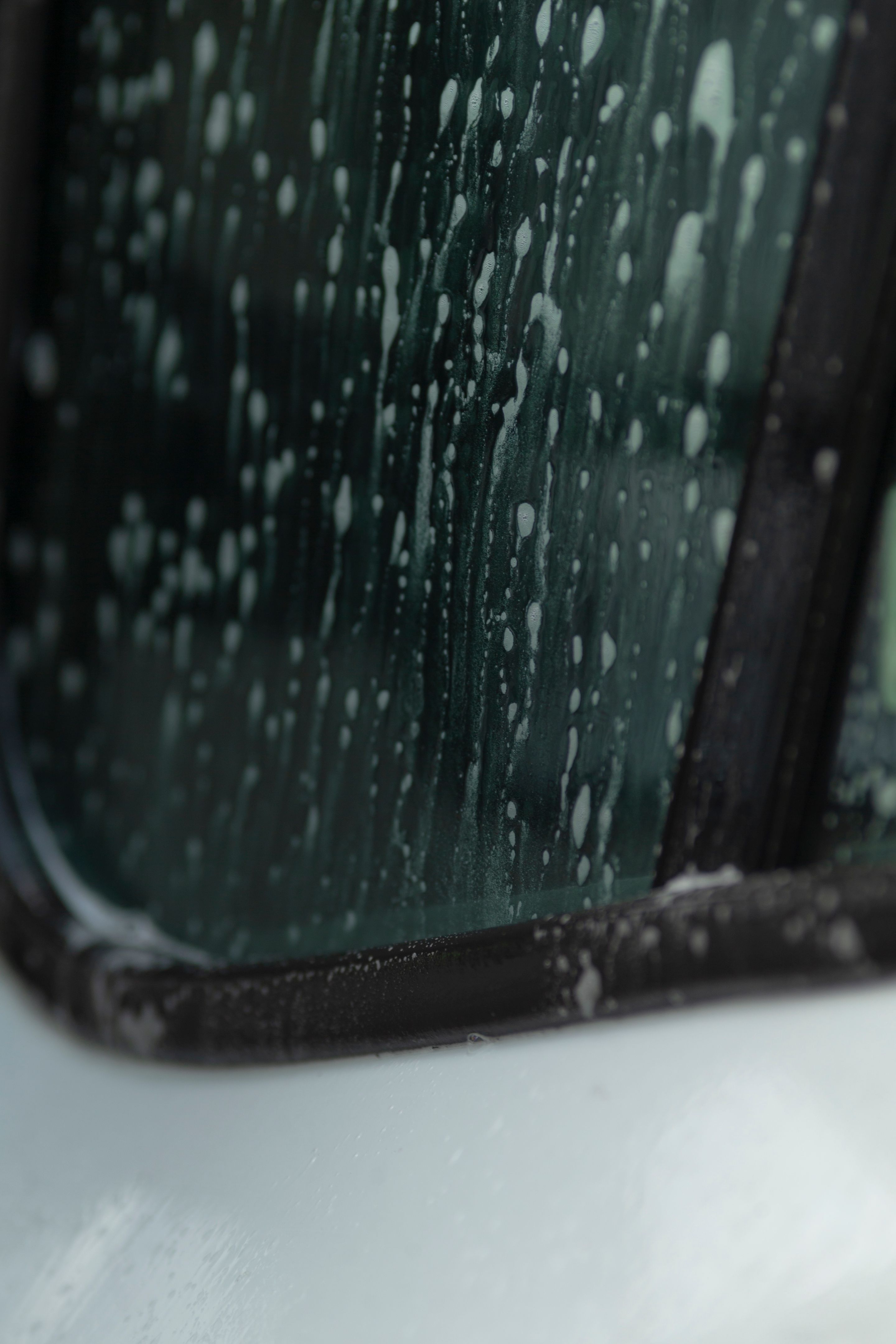
Replacing weatherstripping is usually a straightforward process. Measure the length needed, purchase the appropriate type, and install it by following the manufacturer's instructions. This small upgrade can make a significant difference in your garage's insulation.
Clean and Inspect the Tracks
Dust and debris can accumulate in the tracks, causing the door to operate less smoothly. Regularly clean the tracks with a damp cloth and ensure they are free from obstructions. Avoid using a lubricant on the tracks, as this can attract more dust.
While cleaning, check for any signs of wear or damage. If you notice any dents or warping, it might be time to call in a professional to assess the situation.

By following these essential DIY tips, you can keep your garage door in top condition, ensuring both functionality and safety. Regular maintenance not only prolongs the life of your door but also enhances the overall efficiency of your home.